
BITCOIN, EXPLAINED IN SMALLER PARTS
Can You Sell Part of a Bitcoin?
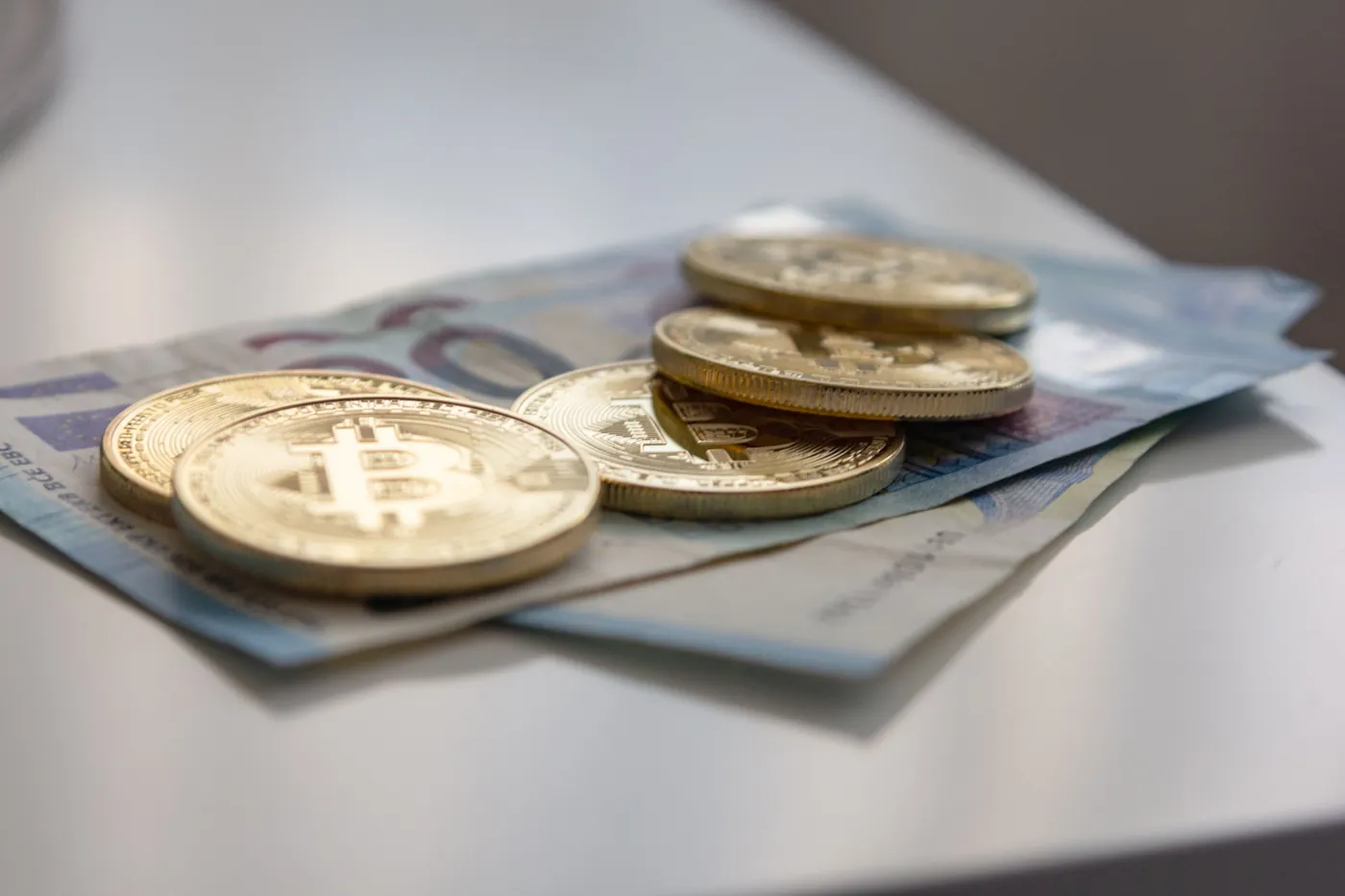
Yes. You can sell a fraction of your Bitcoin and keep the remainder. Your provider’s minimum order, available balance, fees and withdrawal rules determine whether a particular sale is practical. Selling changes your Bitcoin into another asset or currency; transferring Bitcoin to a wallet does not.
Choose how much to sell
Depending on the service, you may enter a Bitcoin amount, a cash value or a percentage of your available balance. Check the unit before continuing: 0.01 BTC is one million satoshis, not one hundredth of a satoshi. The amount available to sell can be lower than the balance shown if funds are held for another order or subject to a restriction.
Review the order type. A market order seeks execution at available prices, which can differ from a displayed reference; a limit order specifies an acceptable price but may not execute. Trading interfaces and order availability vary. Coinbase explains market and limit orders.
Worked example: selling part and keeping the rest
Suppose you hold 0.02 BTC and sell 0.005 BTC at an illustrative sale price of $100,000 per BTC. The gross sale value is $500. If a hypothetical $5 fee is deducted from the proceeds, you receive $495 and retain 0.015 BTC. This excludes any separate cash-withdrawal charge, tax and other costs. The price and fee are examples, not current quotes; some providers calculate charges differently.
Minimum orders and small balances
Providers can set minimum order amounts and minimum cash withdrawals. They may also restrict particular trading pairs, payment methods or locations. A small remaining balance may be below the minimum for another sale. Check both the trade and cash-out conditions before submitting an order; there is no single universal exchange minimum.
Understand the price and fees
Compare the BTC amount sold, the provider’s quoted sale price, explicit fees and final cash proceeds in the order preview. A spread or markup may already be reflected in the quoted price, so avoid deducting it twice. Market conditions can change between a reference quote and execution. Coinbase’s fee disclosure describes how transaction details may affect charges. Our fee guide explains the components.
Selling, transferring and withdrawing
Selling converts Bitcoin to cash or another asset, according to the pair and service. Sending BTC to a self-custody wallet is a transfer and leaves you exposed to Bitcoin’s price; network or provider withdrawal fees may reduce the amount received. Withdrawing cash to a bank is a separate step after a sale, with its own supported routes, timing, minimums and charges. Availability varies by location and account.
Before confirming
- Check the correct asset, account and available BTC balance.
- Enter the amount and confirm whether it is BTC or cash.
- Review the price, fees, proceeds and the Bitcoin that will remain.
- Check the bank withdrawal method and any restrictions if you need cash.
- Save the confirmation and check current guidance from the relevant tax authority. Tax treatment depends on your circumstances and jurisdiction.
For unit conversions use the satoshi calculator; for local buying and provider context see the country guides. Bitcoin prices can fall and a sale may be worth less than the original purchase.